Meningitis B: What Students and Young Adults Need to Know
Last updated: September 2026
Meningitis B (MenB) has had a lot of attention in the UK this year, especially after a serious outbreak linked to university students in Kent in March 2026.
Students are now starting or returning to university, and parents want to understand the risks. It's a good time to check vaccination status and learn how meningococcal infection spreads.
At Shropshire Health, more families and young adults are asking us about MenB vaccination and whether it may be right for them.
What is meningitis B?
Meningitis B is caused by a bacterium called Neisseria meningitidis, often called meningococcus.
Meningococcal bacteria can cause serious invasive infections, including meningitis and septicaemia (blood poisoning). These illnesses can develop very quickly and can be life-threatening.
Meningococcal disease is uncommon, but it can affect people who are otherwise fit and healthy.
MenB means infections caused by meningococcal group B. It is now the leading cause of meningococcal disease in young people in England.
How is meningitis B spread?
Meningococcal bacteria can live harmlessly in the nose and throat of some people without making them ill. This is called carrying the bacteria.
The bacteria spread through close and prolonged contact with respiratory secretions. This includes kissing, sharing drinks or vapes, and living in close quarters with other people.
Young people and university students are more likely to carry the bacteria because they often live, study and socialise closely with large numbers of other young adults.
Halls of residence, shared houses and busy social settings can give the bacteria more chances to spread.

What has been happening in the UK?
In March 2026, the UK Health Security Agency (UKHSA) responded to an outbreak of invasive meningococcal disease linked mainly to students in the Canterbury area, including the University of Kent. The outbreak involved 21 cases, all caused by meningococcal group B, and two young people sadly died. Close contacts were offered targeted vaccination and preventive antibiotics.
Research published in September 2026 found that the Kent outbreak was caused by a new form of MenB. The same genetic changes that made it so severe may also explain why it did not keep spreading. Scientists have warned that changes like this are unpredictable and could happen again.
After Kent, there were further MenB outbreaks in Dorset and Berkshire, including cases in Weymouth and Reading. Three people died across these outbreaks, and some survivor’s face life-long health effects.
UKHSA's latest figures show that MenB caused almost all cases of invasive meningococcal disease in 15 to 24-year-olds in England during 2025–26. First-year university students are estimated to have around seven times the risk of young people the same age who are not at university.
These outbreaks do not mean MenB is widespread across UK universities. The overall risk remains low. They do show how vulnerable young adults can be in close-contact settings, and why vaccination matters.
Why are university students particularly at risk?
University is often the first-time young adults live away from home and share accommodation with many other people.
Students may be:
Living in halls of residence or shared houses
Meeting large numbers of new people
Sharing kitchens and communal areas
Socialising closely
Sharing drinks or vapes
Kissing and having close personal contact
All of these can give meningococcal bacteria more chances to spread.
This is not a reason for students to be alarmed. Meningococcal disease is still uncommon. But vaccination adds an important layer of protection.
Can meningitis B be prevented?
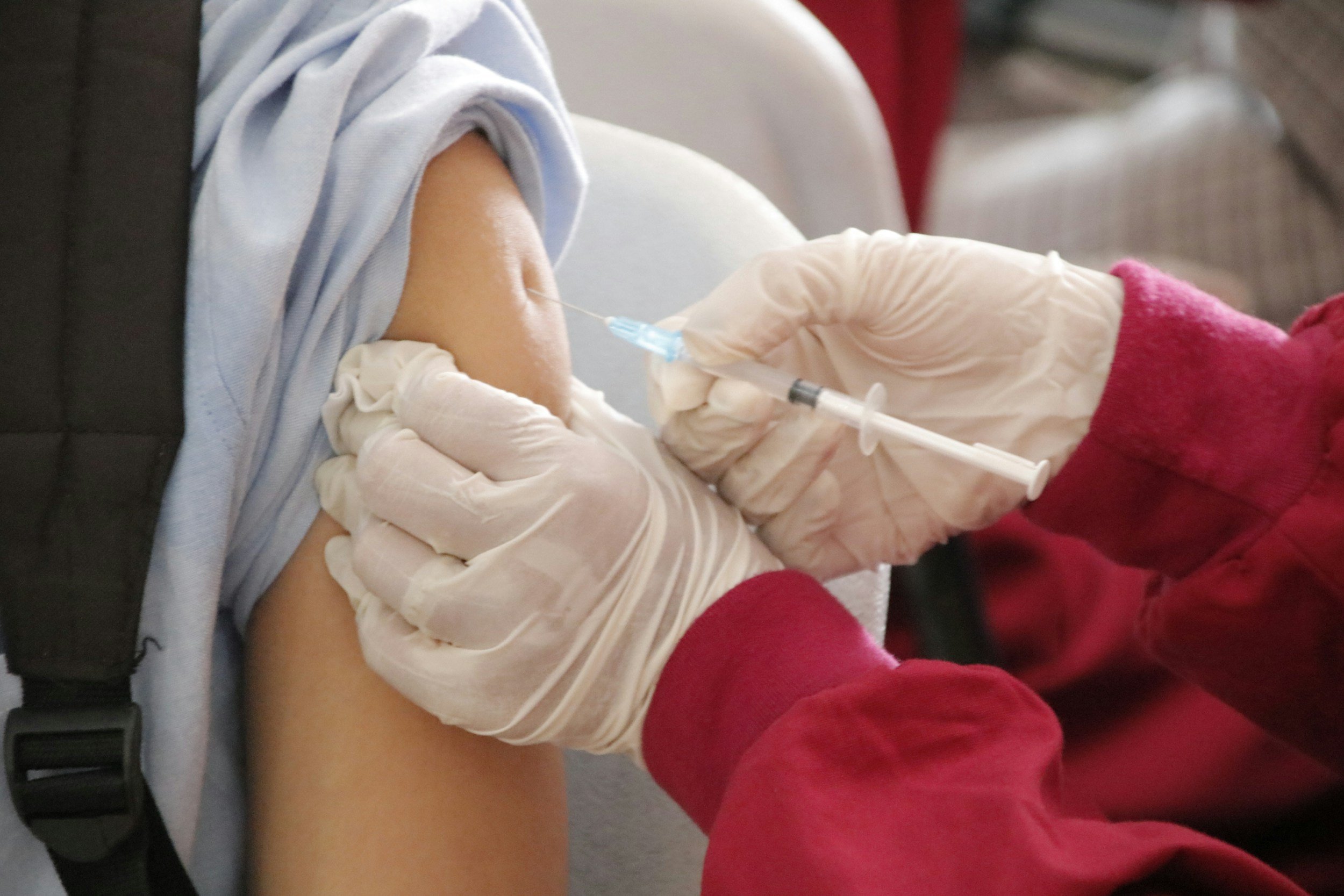
Vaccination is one of the most important ways to reduce the risk of MenB disease.
The MenB vaccine protects against meningococcal group B bacteria. It cannot prevent every cause of meningitis, and it does not replace knowing the symptoms. It can significantly reduce the risk of invasive MenB disease.
The NHS is running a one-off, time-limited MenB vaccination programme in 2026 for young people at highest risk. It is offered to:
Everyone born between 1 September 2007 and 31 August 2008
People under 25 who are starting undergraduate higher education, or living in further education accommodation or halls of residence for the first time, in autumn 2026
UKHSA advises eligible students to get both doses as soon as possible. If you or your child is eligible, contact your GP or university health service.
What are the symptoms of meningitis?
Meningitis and septicaemia can develop quickly. Symptoms can include:
High temperature
Severe headache
Vomiting
Neck stiffness
Sensitivity to light
Drowsiness or confusion
A rash that does not fade when pressed
Cold hands and feet
Rapid breathing
Severe muscle or joint pain
Not everyone will have all of these symptoms, and a rash may not appear.
Early symptoms can easily be mistaken for a bad cold, "freshers' flu" or a hangover. Students should look out for each other. If a friend seems to be getting rapidly worse, don't leave them to sleep it off.
Meningococcal disease can become life-threatening very quickly. Anyone who is seriously unwell, or has symptoms that could be meningitis or septicaemia, should seek urgent medical help by calling 999 or going to A&E.
Never rely on vaccination as a reason to delay getting concerning symptoms checked.
What about MenACWY?
MenB and MenACWY are different vaccines.
MenACWY protects against meningococcal groups A, C, W and Y. The MenB vaccine protects against group B.
Young people should check that they have had all the vaccines recommended for them. One meningococcal vaccine does not protect against every group.
MenB vaccination at Shropshire Health
Shropshire Health offers private MenB or ACWY vaccination at our clinic in Shrewsbury. It may suit people who are not eligible for the current NHS programme, such as:
Second and third-year university students
Adults aged 25 and over
Younger siblings, and young people in shared or residential settings
Anyone who would like to discuss vaccination outside the NHS programme
Before advising on the right vaccination schedule, our clinical team will review your age, previous vaccinations and circumstances.
MenB vaccination costs £210 per dose. Most teenagers and adults need two doses. We will confirm the right schedule for you at your appointment.
Going to university this year?
If you are starting university, check your vaccination status before you move away from home, or as soon as possible after arriving.
Students and parents can check:
Whether the student has had MenACWY and MenB vaccines
Whether they are eligible for the NHS MenB programme
That the student has registered with a GP near their university
If you are not eligible for the NHS programme and would like to consider MenB vaccination privately, Shropshire Health can provide a clinical assessment and vaccination.
The key message
Meningitis B is uncommon, but it can be extremely serious and can affect previously healthy young people.
The 2026 outbreaks in Kent, Dorset and Berkshire have brought renewed attention to MenB, especially for young adults living in close-contact settings.
You can reduce the risk by knowing the symptoms, understanding how the disease spreads and keeping vaccinations up to date.
To discuss MenB vaccination, contact Shropshire Health to book an appointment.