
How food and gut health can support you alongside the right care
By Sarah Summers | Registered Nutritionist (BA Hons, mBANT, rCNHC, mBSIO)
Perhaps your hands feel stiff when you wake up. Your hips ache after a walk, or an old back problem has become harder to live with. When pain starts interfering with sleep, work or the things you enjoy, you deserve help understanding it. This year’s World Menopause Day, on 18th October, focuses on Chronic Pain at Midlife.
The International Menopause Society is calling for better recognition and care of women’s pain during and after the menopause transition.[1] It is a welcome opportunity to look beyond hot flushes and talk about symptoms that can have a significant impact on everyday life.
How menopause can influence pain
Muscle and joint pain becomes more common during perimenopause and post menopause. A recent review of 37 studies found these symptoms in over half of women in these stages, although the research cannot tell us that hormones caused every case.[2]
Changing hormones may influence tissues and the way pain signals are processed. Migraine, widespread pain and pelvic pain also feature in this year’s campaign.[1] But a new ache should not automatically be put down to menopause. A proper medical assessment matters, particularly when pain persists, worsens or affects what you can do.
What else can contribute to pain?
Inflammation can contribute to pain, but pain can also involve irritated or damaged nerves, or a nervous system that has become more hyper-sensitive to signals. Several mechanisms can occur together.[1] That helps explain why a single treatment may not address everything you are experiencing.
Stress and sleep can turn up the volume.
You may notice that pain feels worse after a poor night’s sleep or during a stressful week. Sleep and pain affect each other, while stress can alter the body’s ability to regulate pain signals.[1] This is a physical response, and recognising it gives us additional ways to help.
Cortisol normally helps control inflammation, but prolonged stress can disrupt that regulation.[3] Protecting time for sleep, taking manageable breaks and finding ways to ease daily pressures may support pain management alongside suitable movement and treatment.
Where food can help
As a nutritionist specialising in perimenopause and menopause, food is one of the first areas I explore. Your everyday eating pattern gives us practical opportunities to support your health while you receive appropriate care for your pain.
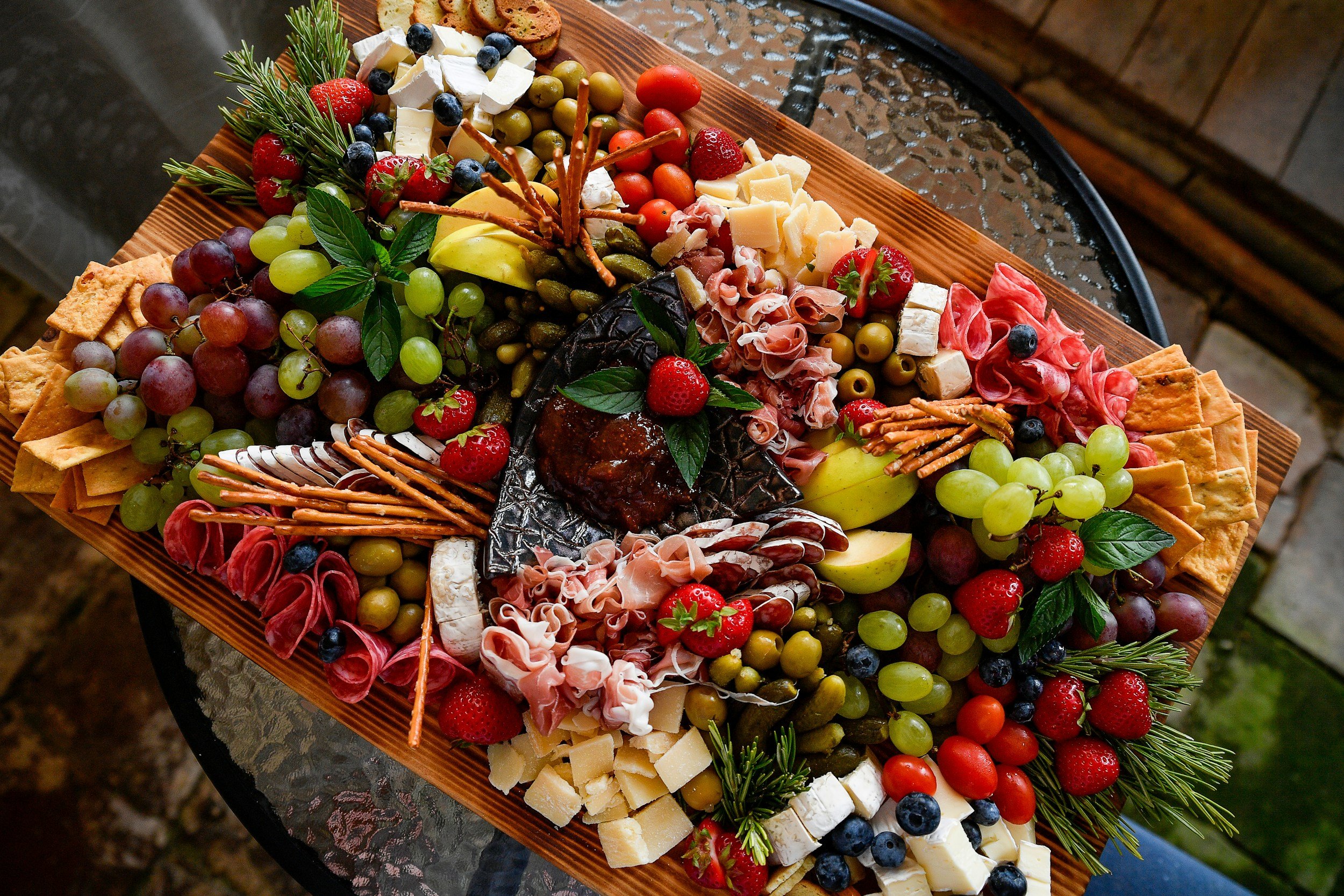
Dietary patterns differ in their potential to promote or reduce inflammation. A diet dominated by sugary drinks, refined foods and processed meats, with little fibre or plant variety, may favour a higher inflammatory burden. Mediterranean-style eating has evidence for reducing some inflammatory markers.[4,5] The overall pattern matters more than any single meal, however.
Understanding your average week of meals gives us somewhere useful to begin: you may benefit from including more vegetables and fruit, beans and lentils, wholegrains, nuts and seeds, with oily fish (if suitable) and fats such as olive oil. Adequate protein and nourishment also deserve attention, as do possible shortfalls in vitamin D and magnesium, alongside your intake of omega-3 fats.[6,7,8,9]
Nutrition interventions can help many people with chronic pain, although results vary.[6] I would want to understand whether your current food choices are supporting you as well as they could.
The connection with your gut
The microbes living in your gut interact with your immune system, and what you eat can influence their activity. This gives us another reason to pay attention to dietary variety and fibre.
In a small human study, a diet rich in fermented foods increased gut microbial diversity and reduced several inflammatory markers. Responses to a high-fibre diet were more varied.[10] Fermented foods such as live yoghurt or kefir may be worth including if they suit you.
Researchers have also found differences in gut microbes among people with some chronic pain conditions. We do not yet know whether these differences cause pain, result from it or reflect other factors.[11] Supporting gut health therefore is a reasonable part of nutrition care.
What working with a nutritionist adds
General advice to “eat better” can leave you wondering where to start. I look at your symptoms, digestive health, eating habits and medical history together, including any medication or supplements you take. We can identify useful changes and consider whether possible deficiencies need further investigation.
The plan also needs to fit the life you actually have. If pain makes standing at the cooker difficult, frozen vegetables, tinned beans and simple meals may be far more useful than an ambitious recipe book. If fatigue has left you relying on snacks, we can work on meals that are easier to prepare and leave you satisfied.
My role is to help you turn nutrition advice into manageable changes, review how you respond and adjust where needed. You should leave knowing what to try and why, with support to put it into practice.
Finding the combination of support that suits you
At Shropshire Health Clinic, the available services include private GP care, nutritional therapy, acupuncture and massage therapy. Depending on your symptoms, more than one may have a useful role.
A GP can assess your pain, consider relevant tests when indicated and discuss medical treatment or referral. Nutrition support can sit alongside this assessment, helping you address food and lifestyle factors that may be contributing to the wider picture.
Acupuncture may be an option for some pain conditions; NICE recommends considering it for chronic primary pain. Its suitability depends on the type of pain.[12] Massage may help some people with short-term relief.
The aim is to choose support that fits you, with practitioners communicating where appropriate and with your consent. That might mean medical assessment alongside nutrition support and suitable hands-on treatment, with movement or rehabilitation advice where needed.
If you would like to explore how food and lifestyle could support you through perimenopause or menopause, book a consultation with Sarah Summers at Shropshire Health Clinic. We can discuss what is happening for you, agree practical next steps and consider where another practitioner’s expertise could help.
References
1. International Menopause Society. World Menopause Day 2026 and Chronic pain at midlife white paper. 2026.
https://www.imsociety.org/education/world-menopause-day-2026/resources/
2. Musculoskeletal Manifestations of Perimenopause: A Systematic Review and Meta-Analysis of 93,021 Women. 2026.
https://pmc.ncbi.nlm.nih.gov/articles/PMC12784006/
3. Cohen S et al. Chronic stress, glucocorticoid receptor resistance, inflammation, and disease risk. 2012.
https://pmc.ncbi.nlm.nih.gov/articles/PMC3341031/
4. Effects of Dietary Patterns on Biomarkers of Inflammation and Immune Responses: A Systematic Review and Meta-Analysis of Randomized Controlled Trials. 2021.
https://pubmed.ncbi.nlm.nih.gov/34607347/
5. Dietary Patterns Associated With Anti-inflammatory Effects: An Umbrella Review of Systematic Reviews and Meta-analyses.
https://academic.oup.com/nutritionreviews/article/84/6/1167/8199185
6. International Association for the Study of Pain. Nutrition and Chronic Pain. 2021.
https://www.iasp-pain.org/resources/fact-sheets/nutrition-and-chronic-pain/
7. National Institutes of Health Office of Dietary Supplements. Vitamin D Health Professional Fact Sheet.https://ods.od.nih.gov/factsheets/VitaminD-HealthProfessional/
8. National Institutes of Health Office of Dietary Supplements. Vitamin D Health Professional Fact Sheet.https://ods.od.nih.gov/factsheets/VitaminD-HealthProfessional/
7. NICE. Chronic pain in over 16s: assessment of all chronic pain and management of chronic primary pain. NG193. 2021.
https://www.nice.org.uk/guidance/ng193/chapter/recommendations
8. National Center for Complementary and Integrative Health. Massage Therapy: What You Need To Know.
https://www.nccih.nih.gov/health/massage-therapy-what-you-need-to-know
10. Wastyk HC et al. Gut-microbiota-targeted diets modulate human immune status. Cell. 2021.
https://doi.org/10.1016/j.cell.2021.06.019
11. Gut dysbiosis in patients with chronic pain: a systematic review and meta-analysis. 2024.
https://pubmed.ncbi.nlm.nih.gov/38352865/
Sources accessed 13 October 2026.