Why the Heat Can Make You Feel Bloated and a Few Kilos Heavier
Have you ever stepped on the scales after a hot weekend and wondered how you've seemingly gained two or three kilograms overnight? Or noticed your rings feel tighter, your tummy feels swollen and your favourite summer dress suddenly feels much less forgiving?
If so, you're certainly not alone.
During every spell of warm weather, many women experience bloating, puffiness and a temporary increase in weight. As a GP, these concerns are incredibly common, particularly during heatwaves. The reassuring news is that, in most cases, this isn't body fat – it's your body's completely normal response to hot weather.
Understanding why it happens can help take away some of the anxiety and help you manage the symptoms more effectively.

Why does hot weather make us feel bloated?
Our bodies are remarkably good at regulating temperature. When we're exposed to heat, blood vessels widen (a process called vasodilation) to help release excess heat through the skin.
While this helps keep us cool, it also allows more fluid to leak from the bloodstream into the surrounding tissues. The result?
Puffy ankles and feet
Tight rings
Swollen fingers
A bloated tummy
Feeling generally "heavier"
Gravity makes matters worse. If you've spent the day standing, walking around sightseeing on holiday or sitting on a long journey, fluid naturally pools in the lower legs and feet.
Fortunately, this type of swelling usually settles once temperatures cool down, your legs are elevated and your body rebalances its fluids.
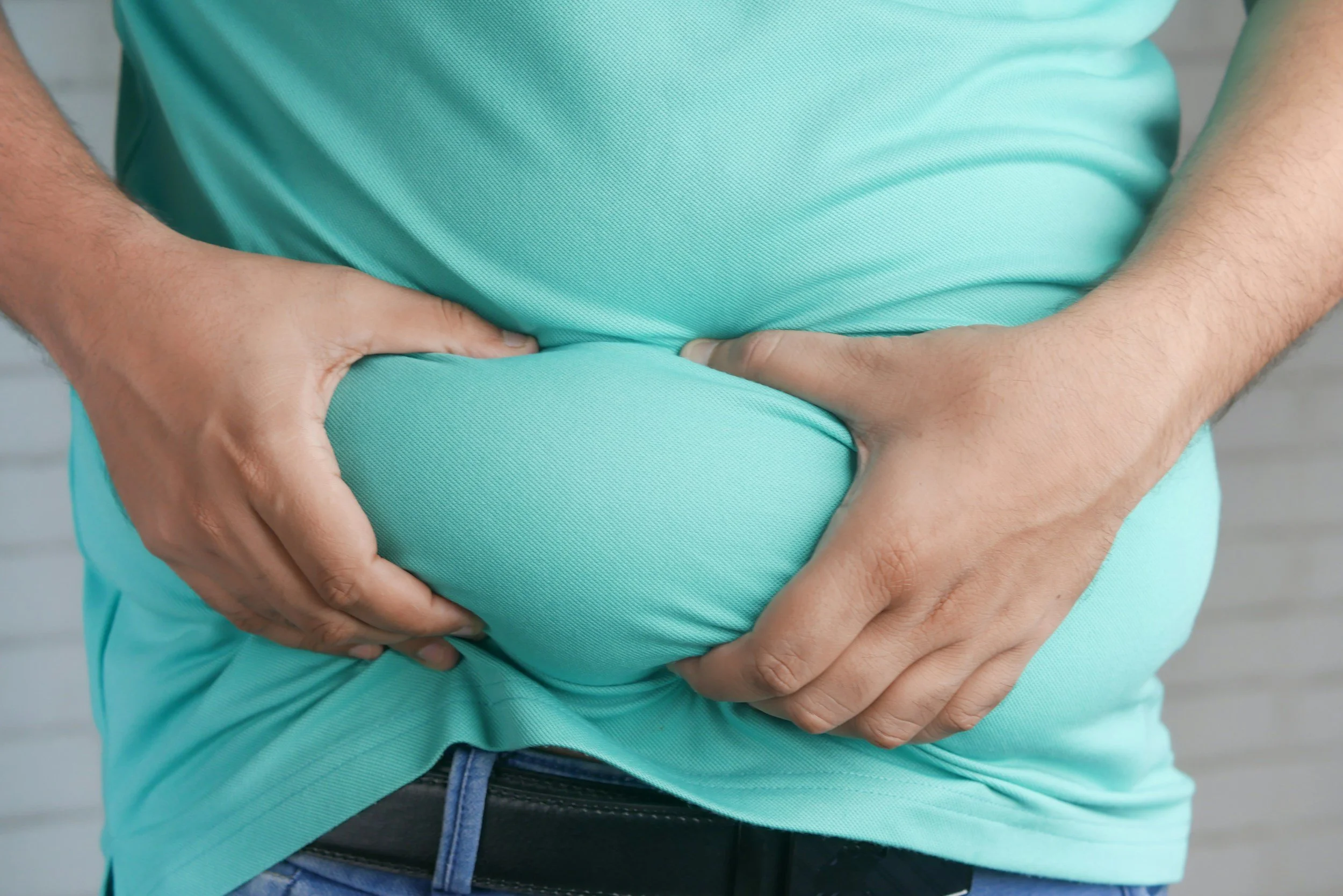
Can you really gain weight overnight?
The short answer is no.
To gain just 1kg of body fat would require consuming thousands of calories above your body's needs. That simply doesn't happen overnight.
However, it's entirely possible for the scales to increase by 1–3kg within a day or two because of temporary water retention.
Heat, dehydration, increased salt intake, alcohol, poor sleep and hormonal changes can all encourage your body to hold onto extra fluid.
Although the scales may suggest you've gained weight, your body composition hasn't changed. Once your fluid balance returns to normal, that extra weight usually disappears.
Why women often notice it more than men
Hormones play a major role in how our bodies regulate fluid.
Many women already experience bloating during the second half of the menstrual cycle as changing oestrogen and progesterone levels influence water retention and slow the movement of food through the digestive tract.
When hot weather is added to the mix, the effect can become much more noticeable.
Women going through perimenopause may find summer particularly challenging. Fluctuating hormone levels can make temperature regulation less efficient, leading to:
Hot flushes
Night sweats
Increased bloating
Poor sleep
Fatigue
Poor sleep itself raises stress hormones, which may further contribute to water retention and cravings for salty or sugary foods.

Why dehydration can actually make you retain water
One of the biggest misconceptions is that drinking less water reduces bloating.
In reality, the opposite is often true.
During hot weather we lose water and electrolytes through sweat. If we don't replace those fluids, the body switches into conservation mode and tries to hold onto every drop it can.
This can leave you feeling:
Puffy
Bloated
Sluggish
Constipated
Some people also become so thirsty that they drink very quickly, swallowing extra air, which can worsen abdominal bloating and trapped wind.
Regular, steady hydration throughout the day is much kinder to your digestive system than drinking large amounts all at once.
Summer eating habits don't always help
Many of us eat differently during warm weather without even realising it.
Barbecues, picnics, holidays and eating outdoors often mean we consume more:
Salty foods
Crisps
Cheese
Processed meats
Fizzy drinks
Alcohol
Salt encourages the body to retain water.
Carbonated drinks increase gas within the digestive tract.
Alcohol contributes to dehydration before triggering fluid retention as the body tries to restore balance.
Many people are also less active during the hottest part of the day. Less movement means circulation slows, bowel function can become sluggish and bloating often worsens.
For women living with irritable bowel syndrome (IBS), these lifestyle changes alone may be enough to trigger a flare-up.

Constipation is another hidden culprit
Heat can also affect bowel habits.
Even mild dehydration allows the bowel to absorb more water from the stool, making it firmer and harder to pass.
This can lead to:
Bloating
Abdominal discomfort
Feeling full after small meals
Trapped wind
Maintaining fluid intake, eating enough fibre and staying gently active can all help keep digestion moving.
Simple ways to beat heat-related bloating
Most summer bloating settles naturally with a few small adjustments:
Drink water regularly throughout the day rather than waiting until you're thirsty.
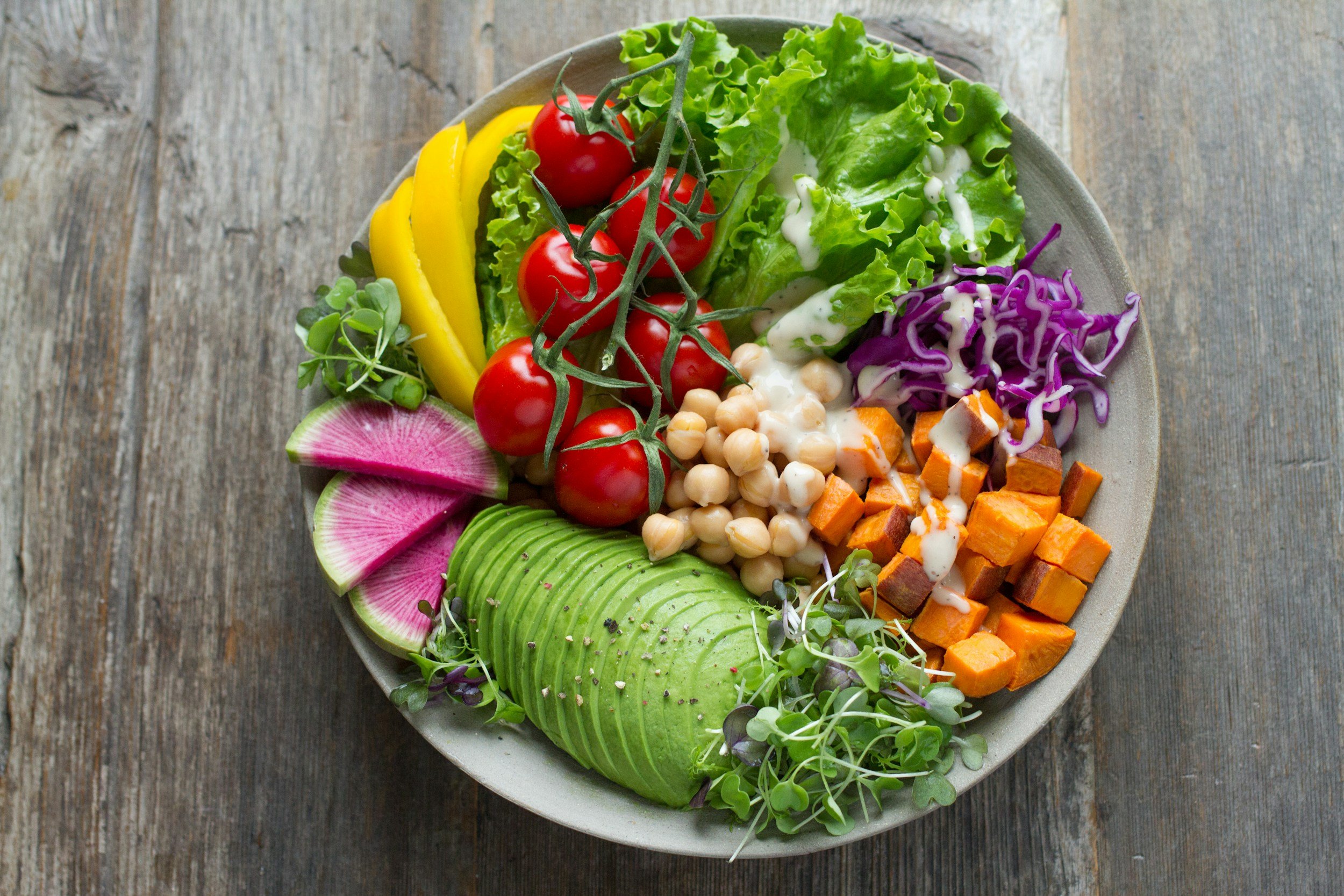
Eat balanced meals containing fruit, vegetables, protein and fibre.
Reduce very salty or highly processed foods during hot spells.
Keep alcohol and fizzy drinks to a minimum if they worsen symptoms.
Continue moving, even if it's only gentle walks, stretching or ankle exercises.
Elevate your legs in the evening if your ankles become swollen.
Wear loose, breathable clothing.
If you're sweating heavily through exercise or prolonged heat exposure, replace electrolytes through balanced meals or appropriate rehydration drinks rather than relying on sugary sports drinks.
Don’t let summer bloating knock your confidence
One of the most frustrating aspects of summer bloating is the impact it can have on confidence. As the weather warms up, we naturally want to wear lighter clothing, shorts, dresses or swimwear to stay cool. Yet many women find that the very time of year they want to wear less is when their body feels at its most swollen. A bloated tummy, puffy ankles or a feeling of fullness can make clothes feel tighter and leave you reaching for looser outfits or covering up more than you'd like.
It can be incredibly disheartening, especially when you've been eating well and staying active.
Remember that this temporary change in your shape is often due to fluid retention rather than body fat. Once the heat eases and your body's fluid balance returns to normal, the bloating usually improves too. Be kind to yourself during hot weather – your body is responding to the environment, not undoing all of your healthy habits.
When should you see a GP?
Although heat-related bloating is usually harmless and temporary, it's important not to ignore persistent or unusual symptoms.
Seek medical advice if you develop:
Swelling that is sudden, severe or mainly affects one leg.
Chest pain or shortness of breath.
Persistent abdominal bloating.
Unexplained weight loss.
Blood in the stool.
A significant change in bowel habit.
Ongoing vomiting.
Abnormal vaginal bleeding.
Bleeding after menopause.
Persistent fatigue or loss of appetite alongside bloating.
These symptoms deserve proper assessment and shouldn't simply be blamed on the weather.

The reassuring news
Feeling heavier during a heatwave doesn't necessarily mean you've gained body fat.
For many women, the combination of hot weather, fluid shifts, dehydration, dietary changes and natural hormonal fluctuations creates the perfect recipe for temporary bloating and water retention.
The good news is that these changes are usually short-lived.
Keeping well hydrated, limiting excess salt and alcohol, staying gently active and maintaining a healthy, balanced diet can make a noticeable difference. Most importantly, try not to let a temporary increase on the scales undermine your confidence. In summer, those extra kilos are far more likely to be water than fat.
However, if bloating becomes persistent, is accompanied by other concerning symptoms, or simply doesn't feel right, don't ignore it. A timely discussion with your GP can provide reassurance and ensure that any underlying cause is identified early.