
Endometriosis Awareness Month
Understanding the Signs, Breaking the Silence, and Supporting Earlier Diagnosis
March marks Endometriosis Awareness Month, a worldwide campaign that highlights a condition affecting approximately 1 in 10 individuals. This year’s focus remains on shortening the lengthy diagnostic journey, which can take up to eight years in the UK, as well as improving workplace understanding and expanding education around menstrual health.
Despite being common, endometriosis remains widely misunderstood and frequently underdiagnosed. Many individuals are told their symptoms are “normal,” “just bad periods,” or stress-related. This normalisation of pain can delay diagnosis and treatment, leaving people struggling in silence.
At Shropshire Health, we believe menstrual health matters. Severe period pain is not something anyone should simply “put up with.”
What Is Endometriosis?
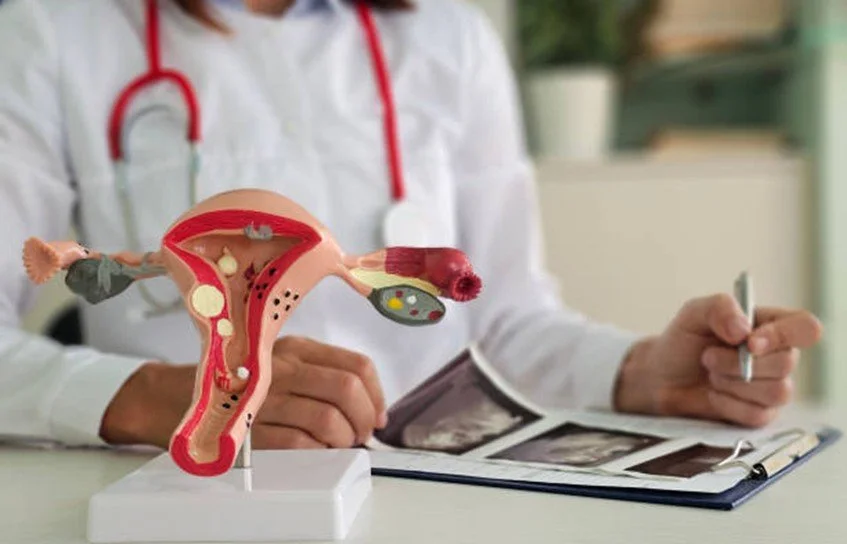
Endometriosis is a condition where cells similar to those found in the lining of the womb (endometrium) are located elsewhere in the body. These cells respond to hormonal changes during the menstrual cycle, which can lead to inflammation, pain, and the formation of scar tissue (adhesions).
Endometriosis is most commonly found on the lining of the pelvis (the peritoneum). It may also affect the ovaries and other pelvic organs such as the bowel or bladder. Less commonly, it can occur outside the pelvis, including in the chest.
Types of Endometriosis
There are four recognised types of endometriosis. It is possible to have more than one type at the same time. The classification relates to the location, depth, and extent of the lesions.
Peritoneal (superficial) endometriosis - Found on the pelvic peritoneum, the thin membrane lining the inside of the pelvis and surrounding pelvic organs.
Ovarian endometriosis (endometrioma) - Occurs when cysts formed by endometriosis develop within the ovaries.
Deep infiltrating endometriosis - Found deeper within tissues and may involve structures such as the bladder, bowel, or rectovaginal septum (the tissue between the vagina and rectum).
Extra-pelvic endometriosis - Occurs outside the pelvis, for example in the chest (thoracic endometriosis) or within caesarean section scars.
A related but separate condition is adenomyosis, where cells similar to those in the womb lining grow within the muscle wall of the uterus. Like endometriosis, adenomyosis responds to hormonal changes, and it is quite common to have both conditions at the same time.
Symptoms of Endometriosis
Symptoms vary widely. Some individuals experience severe, debilitating pain, while others may have minimal or no symptoms. Importantly, the severity of symptoms does not always correlate with the amount or location of endometriosis. Because this tissue sits outside the womb, it has no way to exit the body during menstruation. This can lead to inflammation, scarring, and significant pain. Some common symptoms may include:
Chronic pelvic pain
Painful periods that interfere with everyday life
Heavy or irregular menstrual bleeding
Pain during or after intercourse
Painful bowel movements or urination, particularly during menstruation
Difficulty conceiving (although up to 70% of those with endometriosis can conceive naturally)
Fatigue, often alongside other symptoms
Many people with endometriosis also experience significant bloating around their period. However, persistent bloating that does not settle should always be medically assessed, as it may relate to other health conditions.
How Is Endometriosis Managed?
Endometriosis can significantly affect physical wellbeing, mental health, work, relationships, and quality of life. While there is currently no cure, treatment can greatly improve symptom control. Management options may include:
Hormonal treatments (such as the combined oral contraceptive pill, progesterone-only methods, or intrauterine devices)
Pain management strategies
Lifestyle support, including nutrition, movement, and stress reduction
Referral to a gynaecology specialist
Laparoscopic surgery in selected cases
Treatment is highly individualised and guided by symptom severity, fertility plans, and personal preference. You should seek medical advice if period pain:
Prevents you from attending work or school
Requires regular strong pain relief
Causes vomiting or fainting
Interferes with intimacy or daily quality of life
There are some important points to remember. The symptoms of endometriosis can overlap with other medical conditions, which is one reason diagnosis can sometimes take time. Endometriosis is not a sexually transmitted infection, and it is not contagious. It is also not cancer; however, early assessment is important to ensure appropriate investigation, timely support, and effective symptom management.
Breaking the Stigma Around Menstrual Health
Open and informed conversations about menstrual health are essential. For many women, severe period pain has been normalised from a young age, often dismissed as something that is simply part of being female. It is not. Pain that disrupts daily life deserves to be taken seriously.
Endometriosis Awareness Month is an opportunity to listen to lived experiences, validate pain, and advocate for earlier recognition and diagnosis. It also reminds us of the importance of holistic, compassionate care that considers both physical symptoms and emotional wellbeing.
How We Can Help at Shropshire Health
At Shropshire Health, we believe women deserve to feel heard, supported, and taken seriously. We offer thorough menstrual health consultations, detailed symptom assessment, and personalised care planning tailored to individual needs and circumstances.
Where appropriate, we can arrange blood tests and provide ongoing monitoring and follow-up appointments to ensure continuity of care. We also offer guidance and support with referrals when specialist input is required. If you are struggling with painful periods or ongoing pelvic pain, you are not alone, and we are here to support you. We even have an onsite Gynaecologist that you can consult with!
